PROJECT ON-FARM
TITLE OF THE CASE STUDY
CSA De Stadsgroenteboer in Amsterdam
MAIN DATA OF THE COMPANY
Name of the Company
De Stadsgroenteboer
Country
- Nederland
Type of the Company
- Individual company
Farming Activity
- Cultivation
- Product’s transformation on farm
Direct selling way
- Direct selling in farm
SELF – INTRODUCTION OF THE FARMER
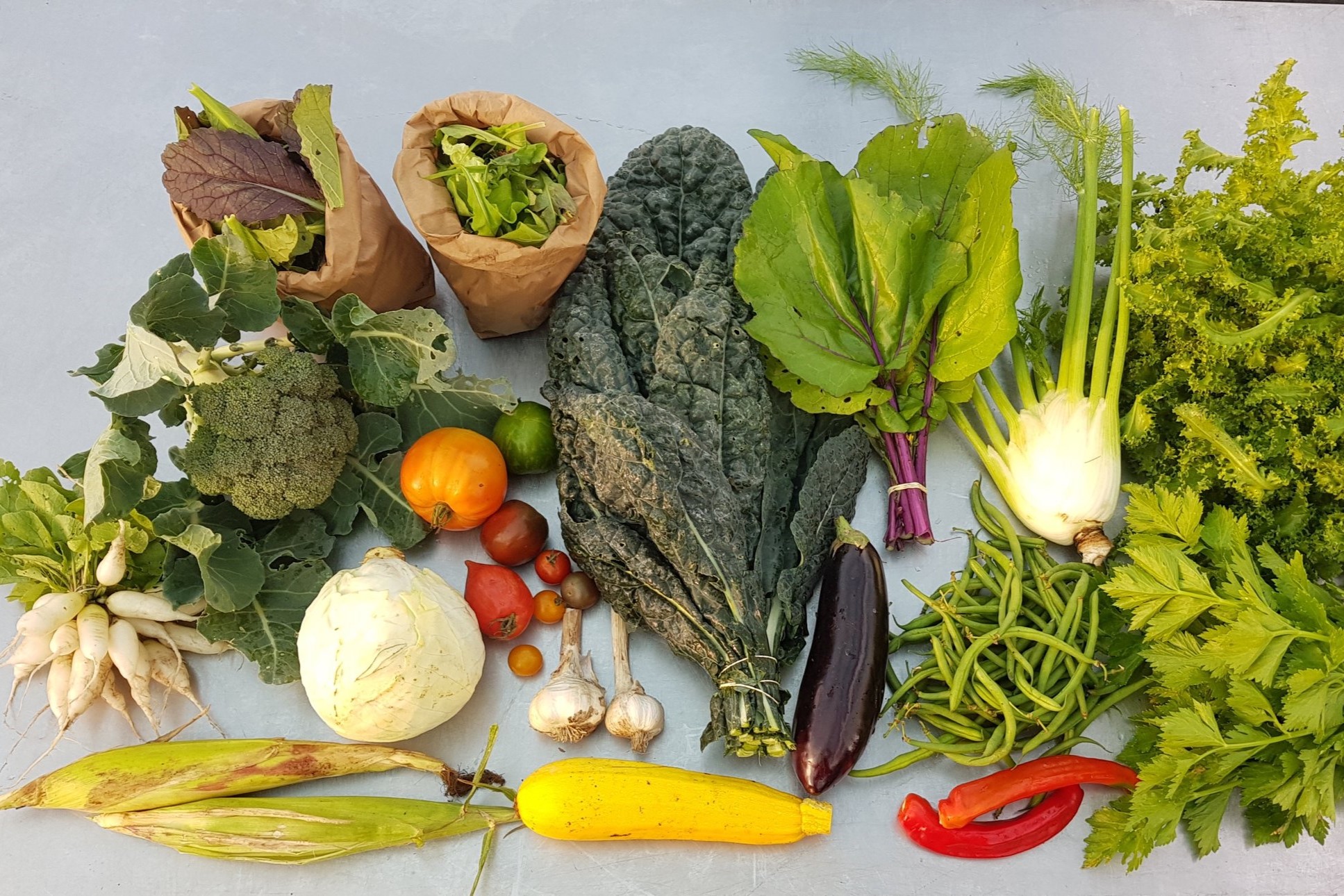
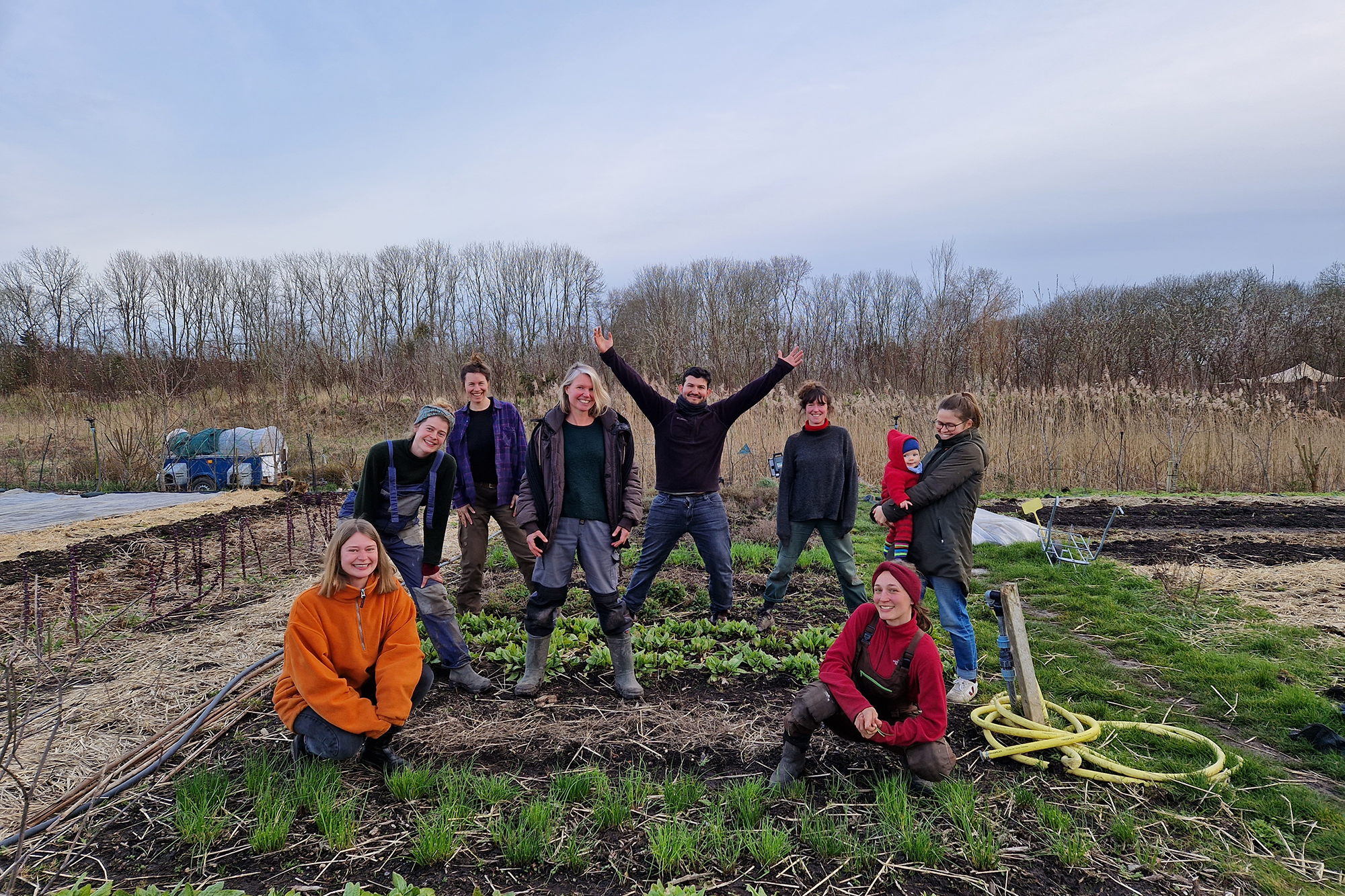
Andres Martinez Jara is originally from Colombia but now he works as a farmer, producer and entrepreneur in the outskirts of Amsterdam. In the end of 2018 together with a group of friends (all alumni of the University of Gastronomic Sciences in Pollenzo, Italy), they took over De Stadsgroenteboer, a project of 1 ha of community supported agriculture, where they practice regenerative and bio-intensive farming techniques. They grow more than 15 different vegetables, 14 herbs and 10 different edible flowers. They deliver a crate of freshly harvested vegetables to the community members every week. From the Covid-19 crises in 2020 he also started the company “JARA”, to preserve unsold vegetables due to the closing of the HORECA sector. JARA is now working with 14 different farmers who grow diverse varieties vegetables (greet tomatoes, unconventional chilis…), the company buys them in advance and when the vegetables are harvested, they transform them into different sauces which they sell directly to consumers. The transformation of the sauces happens at Kitchen Republic, a community kitchen which supports sustainable food start-ups in Amsterdam.
CHANGES / INNOVATIVE SOLUTIONS ADOPTED
In Stadsgroenteboer they are experimenting a lot, for example with intercropping. The more varieties you have, the more harvest you get, the easier it is to control weeds and pests and the more CO2 the soil absorbs. The more plants you get in the soil, the healthier it gets. Andexample are spring onions interplanted with carrots or tomatoes with basils. With JARA, the Dutch is a culture who really likes dips (for bread, vegetables…) but on the market there are not so many healthy dips. JARA’s products don’t have any additives nor preservatives. That also means that spoilage gets quicker, but they accept this as part of the concept of the product. Also they developed the “FAVAMOLE” to counteract the unsustainable consumption of Avocado. They are making a guacamole-like dip out of fava beans. They use fresh fava beans but they are now experimenting with dried beans as well.
WHY AND HOW YOU DECIDED TO INTRODUCE STRATEGY CHANGES / INNOVATIONS
Intercropping at De Stadsgroenteboer: in order to improve the soil’s quality and to increase the production on farm. JARA’s sauces: to develop sustainable and healthier sauces / dips for the market.
WHAT OBSTACLES DID YOU MEET
At De Stadsgroenteboer the challenge is to be able to feed more people. They have now 0.8 hectares and legally they are not even considered farmers but “gardeners”. They have 200 members and a waiting list of 450 people. The need to scale it up by getting some extra land but still without using tractors or intensive agricultural practices. Manpower is not a problem because there is a lot of people who wants to support the project as volunteer, as freelance farmers and also as partners of the CSA. The obstacles at JARA: first of all the name. At the beginning it was called HERBANO, but they didn’t check the trademark because they didn’t really believe in the project. But when it started to grow and sell in Germany, they got sued for using a name already on the market. So they had to change quickly and they registered JARA trademark in the Benelux. Another obstacle at JARA is communication and marketing: they want to change the system and don’t want to be dragged into social media, but they don’t know which strategy to adopt yet. They are doing a lot but they are not telling enough.
EVALUATION OF THE RESULTS
Stadsgroenteboer: Looking back they are very happy with the amount of people they are feeding. They started with 35 people and now have 200. The first year they didn’t have a salary but now they have, so that is also an achievement. They don’t have a high salary but they have the best food ever, so from that aspect they feel very rich and they do what they love. JARA: they work with more than 8 tons of vegetables, plus some limited editions to use vegetable that are refused by the market (for example “ugly carrots”), etc. So they are playing a huge role in food waste reduction. They have also contributed in increasing local biodiversity by asking farmers to grow unconventional vegetable varieties.
WHAT WOULD YOU DO DIFFERENT AND WHAT ARE THE PERSPECTIVES IN YOUR MIND
Stadsgroenteboer: do a proper research of your surroundings and geography before starting. They didn’t do it, so they were lucky for the water (in Netherlands it rains a lot) but for example they had a cold wind from one side and plants were very stressed. So they had to build an edge to protect them. Also understand the soil you have and do one year of green manure before starting the agricultural activities. JARA: he would have done a proper business plan at the beginning and a strategy. They have it now but at the beginning they were just coping with the Covid-19 situation and see how they could help in that situation.
FINAL SENTENCES
General Evaluation
Positive evaluation: looking back at what he did, he followed his dream together with his friends and after the initial challenges things are now going very well. The future looks bright: there is a lot to do for the following years at the Stadsgroenteboerand for JARA they want to extend selling in the whole Netherlands.
Suggestions for other farmers
Go for it! Don’t be afraid of starting your farm. Before that “live the farm” not only in the nice summer weather but also in the winter times. When it’s rainy, windy and cold: that’s also to take into consideration. But if you put your energy working towards it, you can achieve it. Passion also has to be supported by knowledge: so, make your research as well. Nowadays there are many people who wants to get their hands into the soil, so it’s a good moment for it. For product transformation the advice is to put the hours of people working on it in the products as well and the unforeseen costs as of the beginning.