PROJECT ON-FARM
TITLE OF THE CASE STUDY
Remeker: Sustainable cheesemaking
MAIN DATA OF THE COMPANY
Name of the Company
Remeker
Country
- Nederland
Type of the Company
- Individual company
Farming Activity
- Animal breeding
- Product’s transformation on farm
Direct selling way
- Direct selling in farm
- Online selling
SELF – INTRODUCTION OF THE FARMER
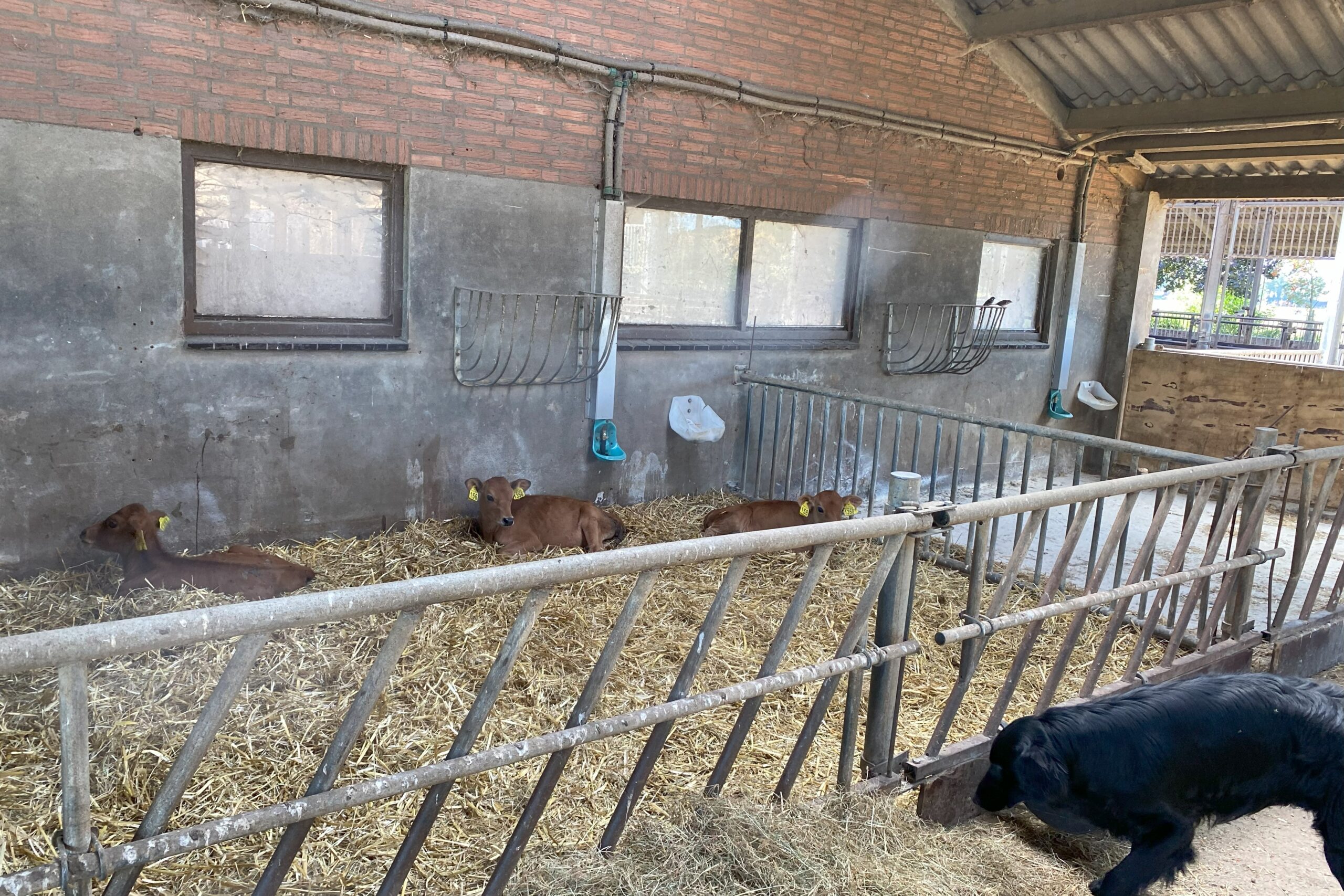
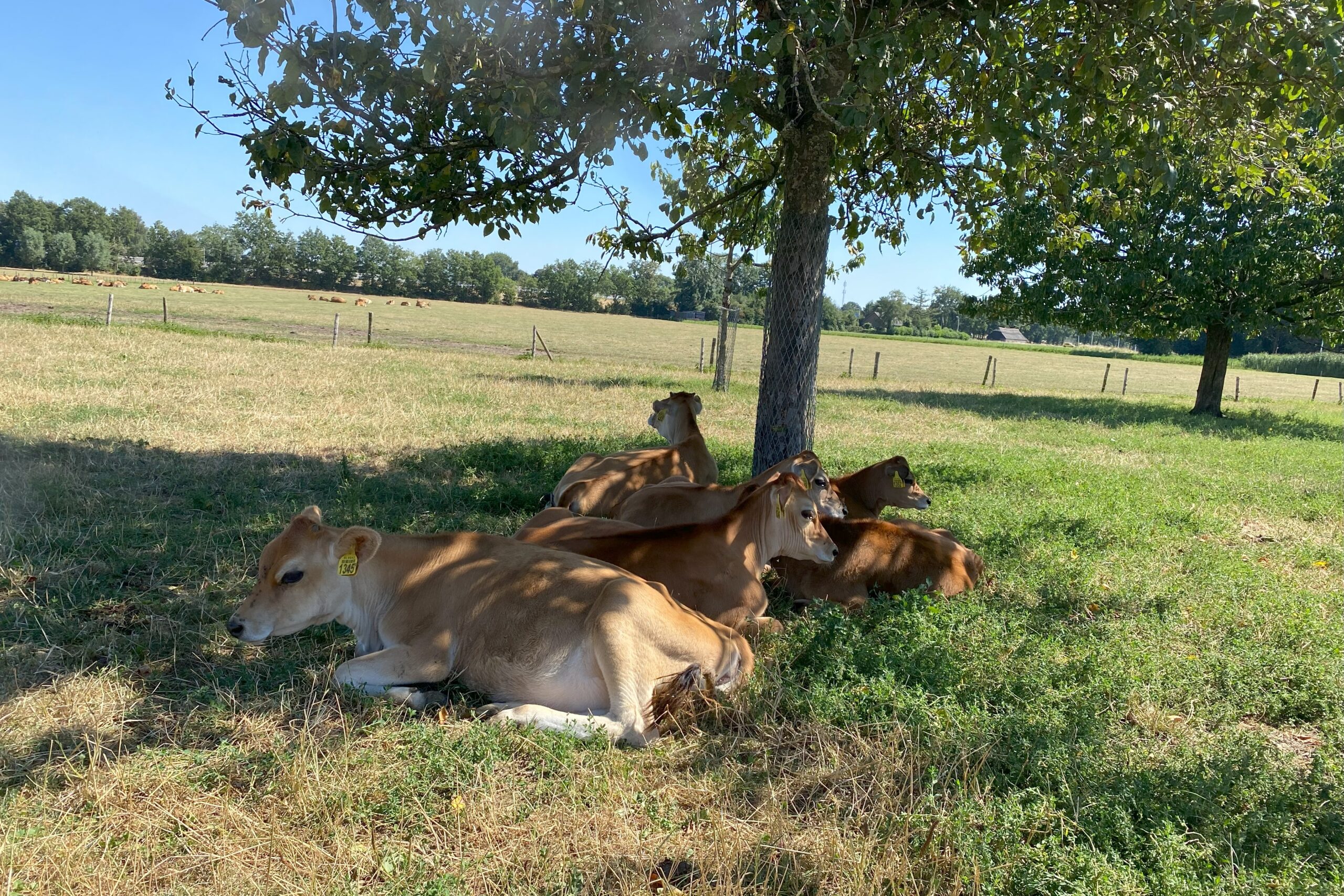
Peter Van de Voort is a young farmer of 35 and cheesemaker in Lunteren. He produces raw milk organic cow cheese with natural crust. In the farm they have 60 young cows and 90 productive Jersey cows farmed without antibiotics. At the farm they only feed the cows with grass and some grains (rye mainly) that they grow at the farm itself. They don’t use any soy or corn. He has taken over Remeker, his family farm, which has existed since the 1600s! They sell their cheese at the farm shop and also in Eden they have a small farm with a farm shop, plus they sell online to consumer and they sell to other cheese shops in Netherlands, Germany and Belgium. He knows the shops owners personally, so that he knows exactly what goes well and wrong. The prices are thesame both when they sell directly to consumers and to the small shops, so there is no discount for wholesalers.
CHANGES / INNOVATIVE SOLUTIONS ADOPTED
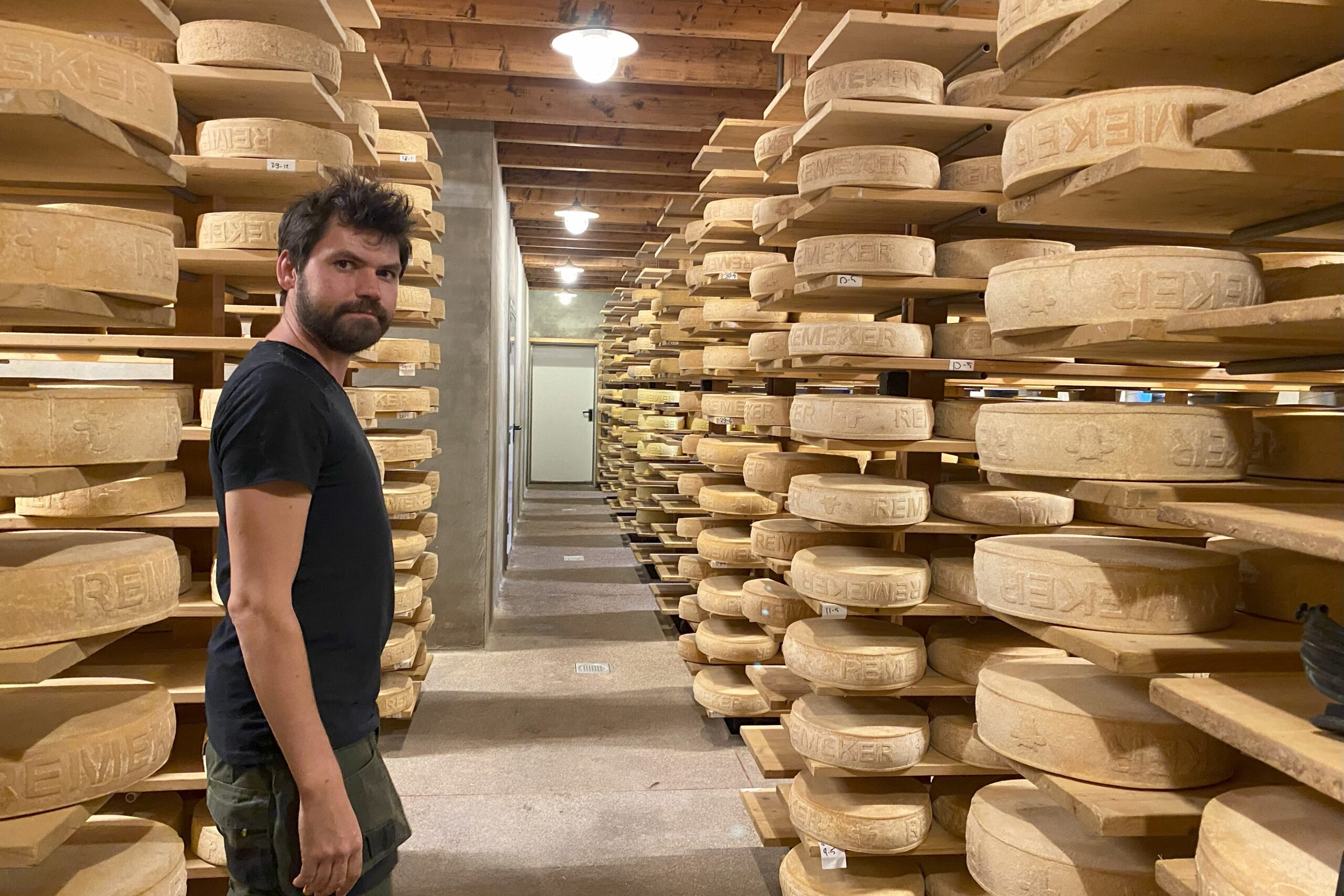
When he started working at the farm they transitioned from plastic cheese crust to natural crust. During the transition they were facing different challenges and doing a lot of trial and error.
WHY AND HOW YOU DECIDED TO INTRODUCE STRATEGY CHANGES / INNOVATIONS
The plastic cover worked perfectly in the past, because it protected the cheese despite changes of humidity and it was good to produce a large volume. But this clashed a lot with all the effort they were putting in keeping the farming process so natural. They were feeding the cows with grass and grains, using no antibiotics and then the first thing they would do after making the cheese was to cover it with plastic glue. Instead of using plastic, they could have washed the cheeses like in the mountains but they didn’t want to make mountain cheese. Instead, they wanted to keep making a Gouda-based recipe cheese: they wanted the cheese to have a crust and not being so salty. One day, of the cheesemakers suggested using ghee to cover the crust and this worked very well, so they adopted it as part of the standard production process.
WHAT OBSTACLES DID YOU MEET
The natural crust cheese lost more water than the plastic cover cheese, so they had to regulate the humidity in the warehouse. The also faced the threat of cheese mites, which slowly eat up the cheese, so they started to regularly spray air on the surface of the cheeses to keep away cheese mites.
EVALUATION OF THE RESULTS
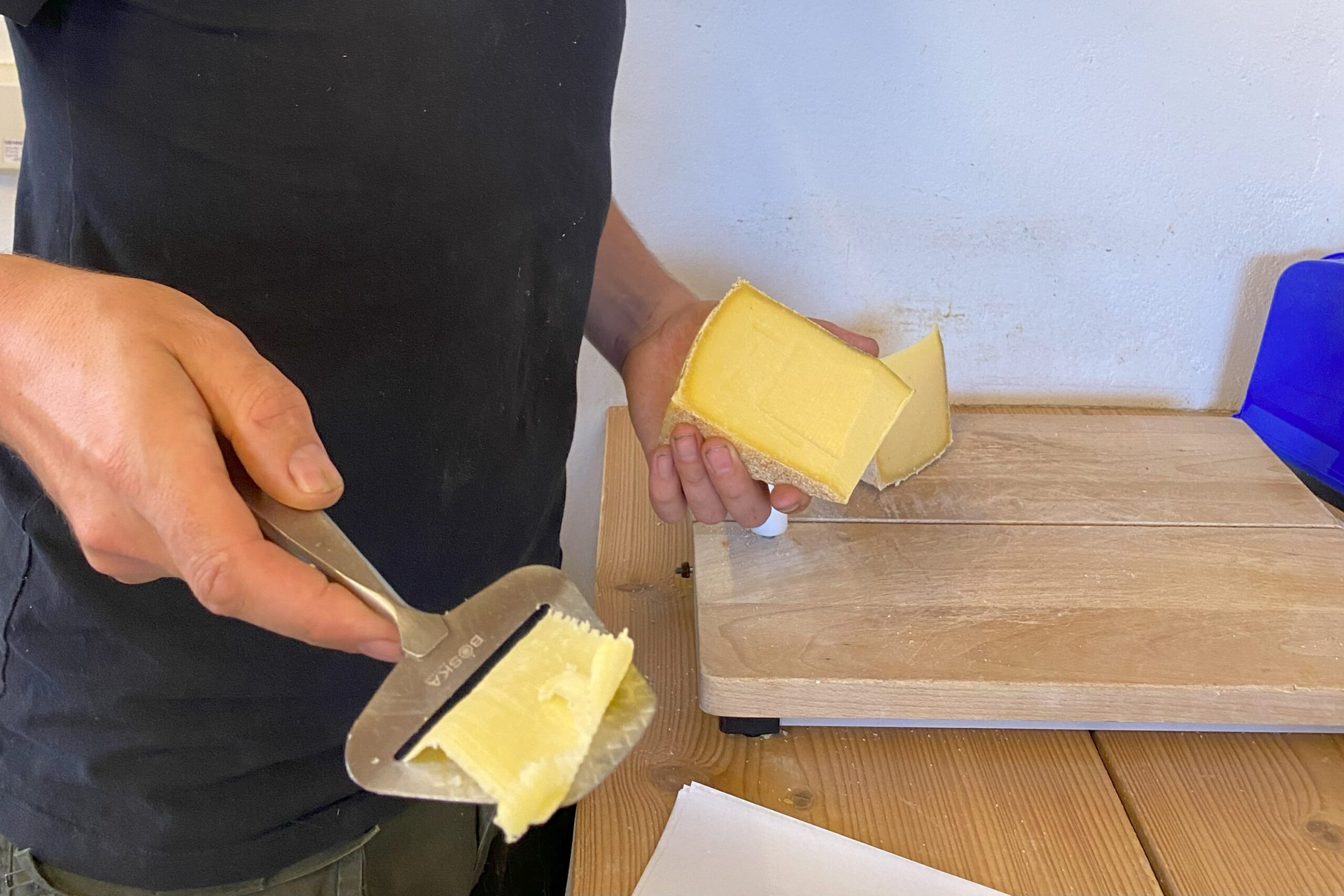
Great result: the cheese is now 100% natural and in line with the farm’s values. The taste of the cheese has also changed because they started using the ghee. Some students of the University of Wageningen made sensory analysis tests and they saw an increase in flavour complexity in the natural crust cheese compared to the plastic cover cheese. In addition to this, they also could find back in the cheese flavours found in the mouldsand meadows of the environment where the cows live.
WHAT WOULD YOU DO DIFFERENT AND WHAT ARE THE PERSPECTIVES IN YOUR MIND
There are always opportunities you didn’t take and decisions you would have taken differently with the knowledge of afterwards, but it’s important to learn with our mistakes. So, he wouldn’t have changed anything in particular.
FINAL SENTENCES
General Evaluation
Sometimes people that come to the farm told him that even if they get sick when eating common cheeses, when they eat Remeker cheese they don’t feel sick. So, these are the things that make him the happiest: to produce a healthy and sustainable cheese good for the environment, for the cows’ welfare and the consumers. Also, they were the first to have an organic farm producing raw milk cheese from antibiotic-free Jersey cows. So, he is proud to be one of the pioneers.
Suggestions for other farmers
If you want to make your own product it has to be something special. In my opinion the difference is in the taste: focus on a good taste. The story is good for consumers who buy once but if you want customers who come back, they have to like the quality of the product.