PROJECT ON-FARM
TITLE OF THE CASE STUDY
The Biggest Little Farm in Eastern The Netherlands
MAIN DATA OF THE COMPANY
Name of the Company
Landschaps- &Zorgboerderij De Rökker
Country
- Nederland
Type of the Company
- Family company
Farming Activity
- Cultivation
- Animal breeding
Direct selling way
- Direct selling in farm
- Direct selling in farmer markets
- Direct selling in own or common shop
SELF – INTRODUCTION OF THE FARMER
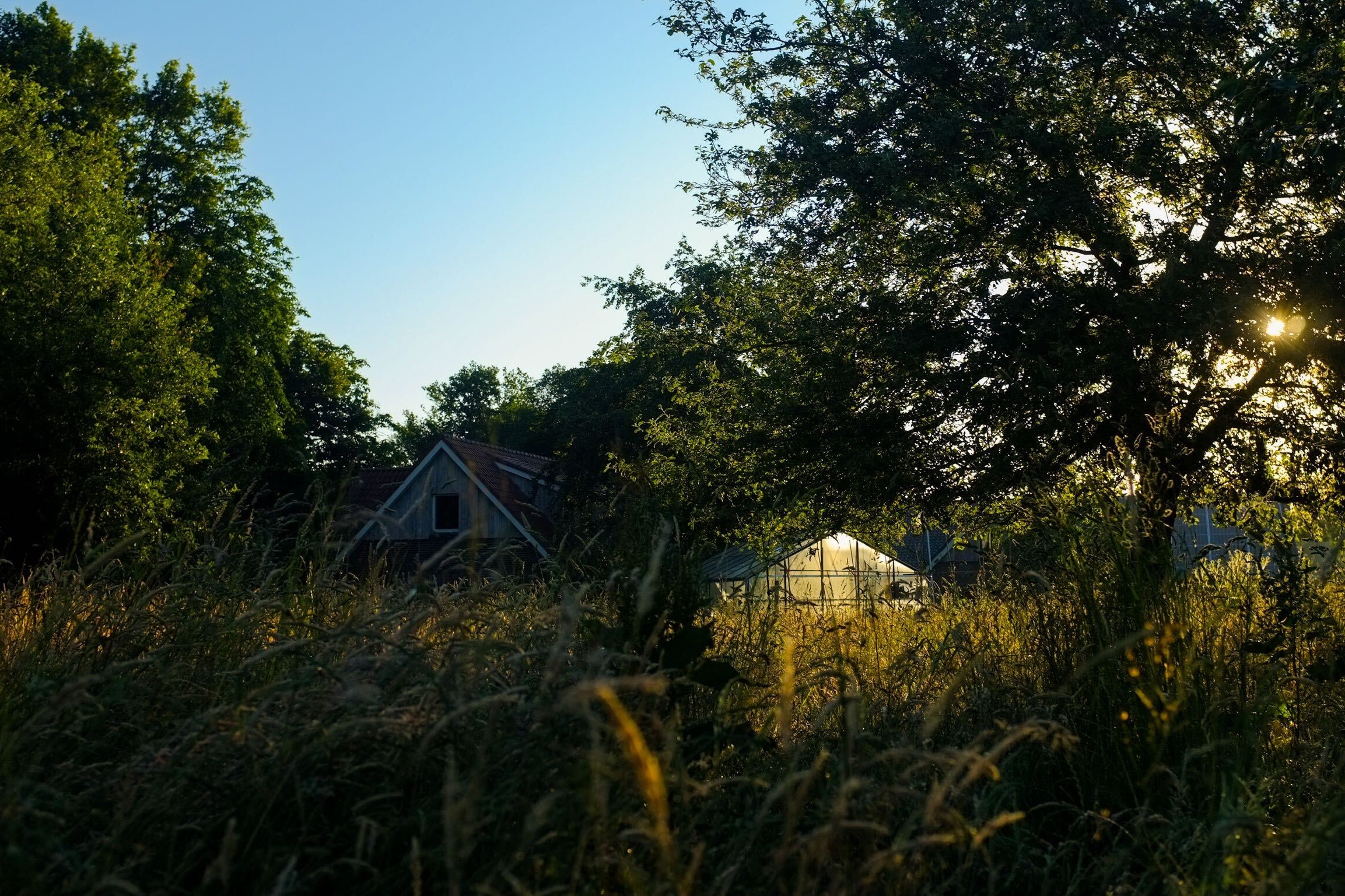
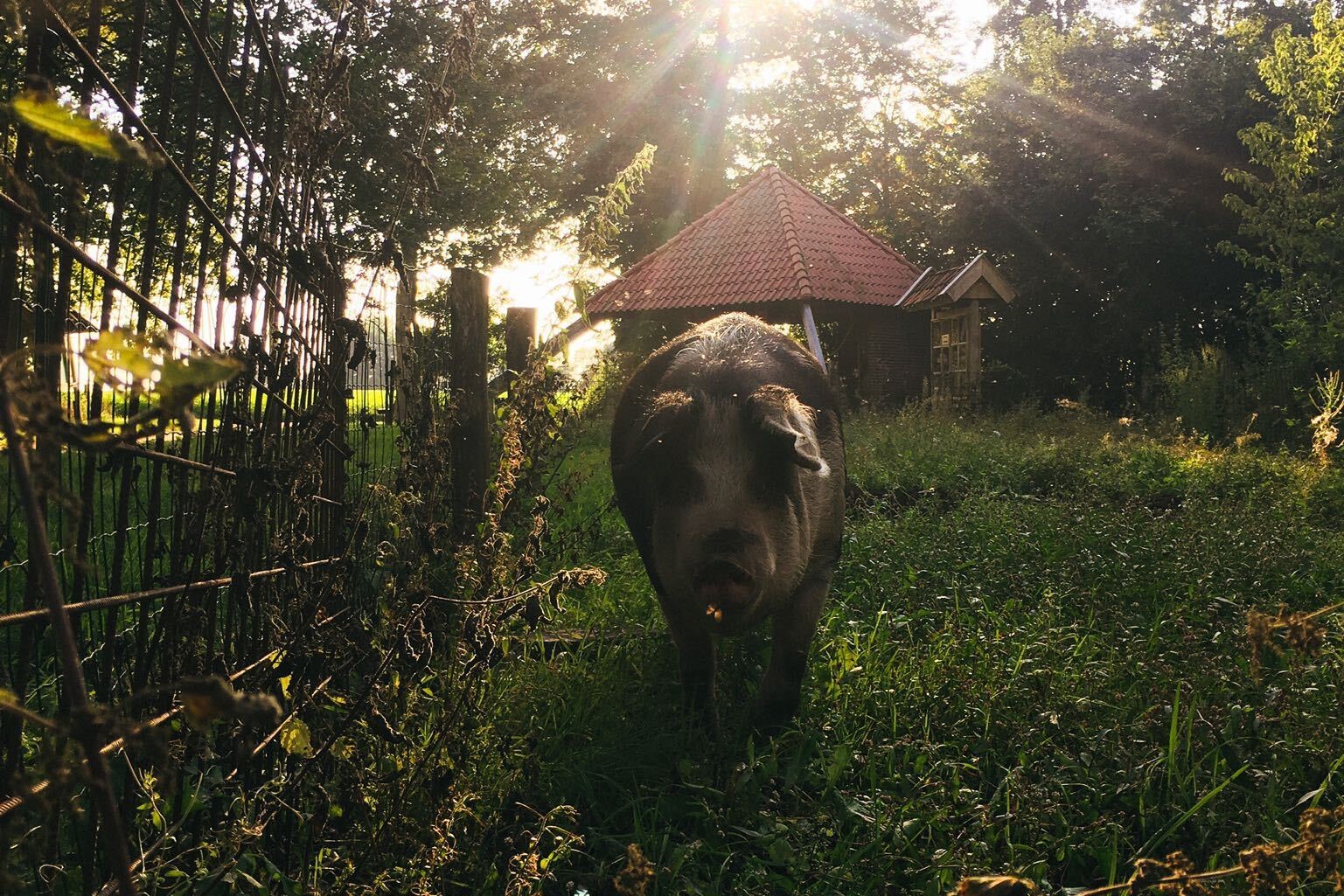
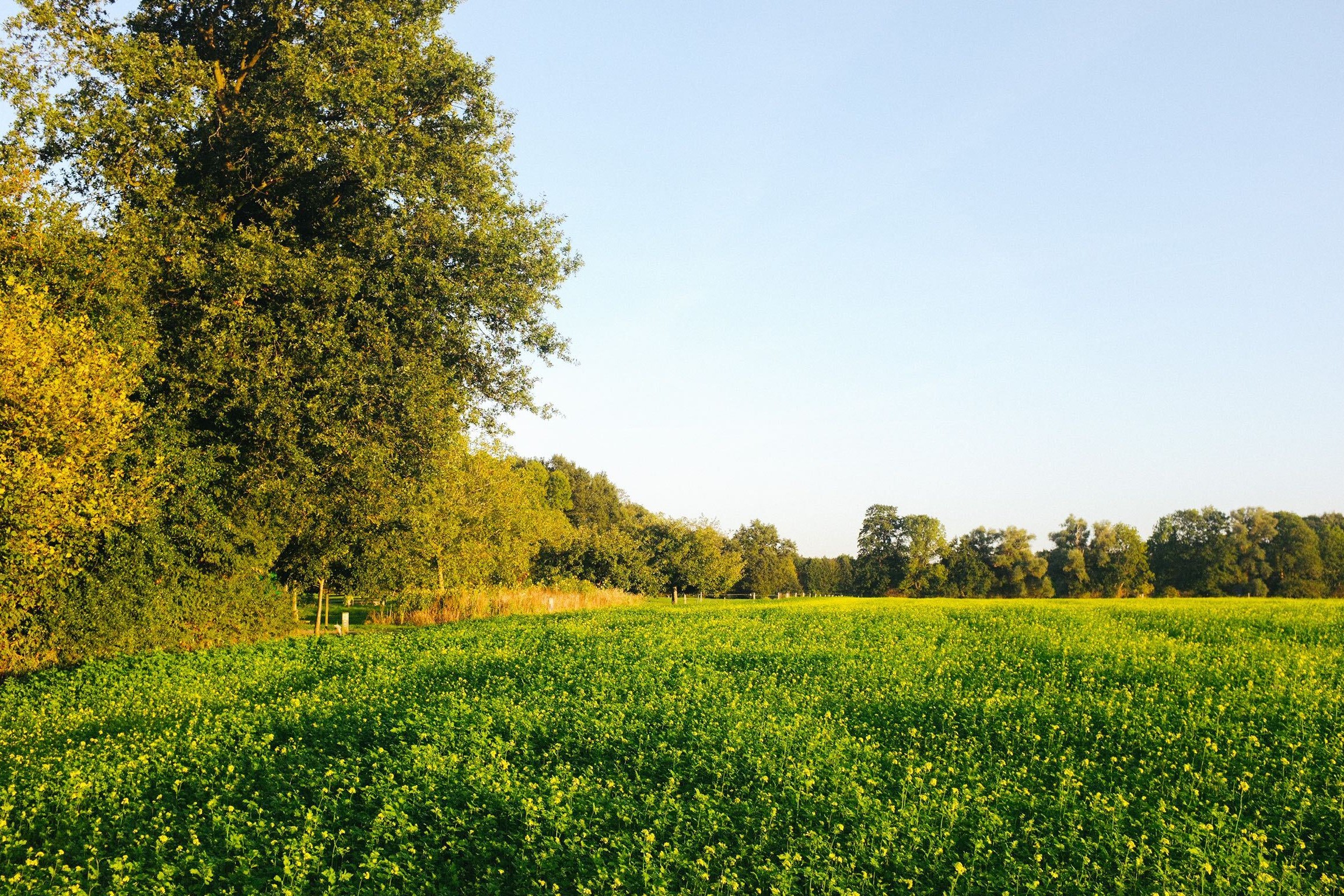
Landschaps- & Zorgboerderij “De Rökker” is a mixed farm in the Eastern part of The Netherlands, here the family Kiewik is farming in an extensive way with social values. Henk Kiewik is the head and is 67 years old, with his wife Ine (64) he transformed the traditional mixed farm with dairy cows and pigs into a small-scale dairy farm which produces milk and provides a place for disabled people to have daycare. There are currently 50 milking cows, on 45 hectares. In the past, their son Jorrit (30), produced dairy products, bread and meat from all the products available at the farm. This was sold in both local markets via a food cooperation, as well in restaurant. Currently, the only food directly sold is honey via the local supermarket, vegetables at the farm itself, whereas milk and meat find the way via cooperations and local processors.
CHANGES / INNOVATIVE SOLUTIONS ADOPTED
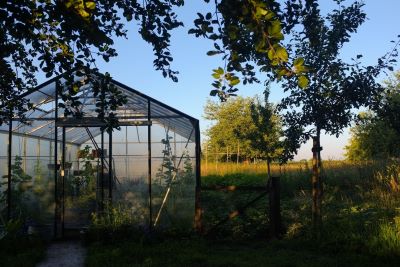
In the past years, the farm has been developing to diversify more, starting to grow wheat, a variety of nuts and fruits. Next to that we started working with a local beekeeper to produce honey. With regards to direct trade the farmers sale the wheat to the local mill and honey via the local supermarket.
WHY AND HOW YOU DECIDED TO INTRODUCE STRATEGY CHANGES / INNOVATIONS
We’re seeing the power of biodiversity and the need from local consumers to eat more local. From that perspective we need to produce more biodiverse, in order not to feed just dairy to our local consumers.
WHAT OBSTACLES DID YOU MEET
The main obstacle is finding funding within your business model. We’re not willing to take every subsidy in order to develop a farm that is future proof. This money should come from the market. With this in mind, we are looking to integrate slow tourism in our farm but are facing obstacles implementing that.
EVALUATION OF THE RESULTS
I’m happy to see that the farm is being led by the family, more than just one generation. This gives inspiration, promotes entrepreneurships and strengthens the family. Next to that, our farm diversifies, making it more resilient for the future.
WHAT WOULD YOU DO DIFFERENT AND WHAT ARE THE PERSPECTIVES IN YOUR MIND
We currently transform our farm mainly with own funds in order not to get dependent from subsidies. Instead, it takes a long time to create alternative income. Which would have been easily been resolved by not broadening our scope so much. Yet, we believe it’s an essential part of our development.
FINAL SENTENCES
General Evaluation
We are happy with how our family farm is moving forward, it moves from a closed space which is distanced from society to a hub where people gather and a variety of high-quality foods are being produced. We can’t wait to see where this process will bring us and look back on the process we made in the past period of time.
Suggestions for other farmers
As a family we fully trust our next generation. Next to that we’ve been working with creatives and architects from outside agriculture in order to create plans for our future. This opened a lot of opportunities and created a strong team of professionals who are actively engaged in developing our farm.